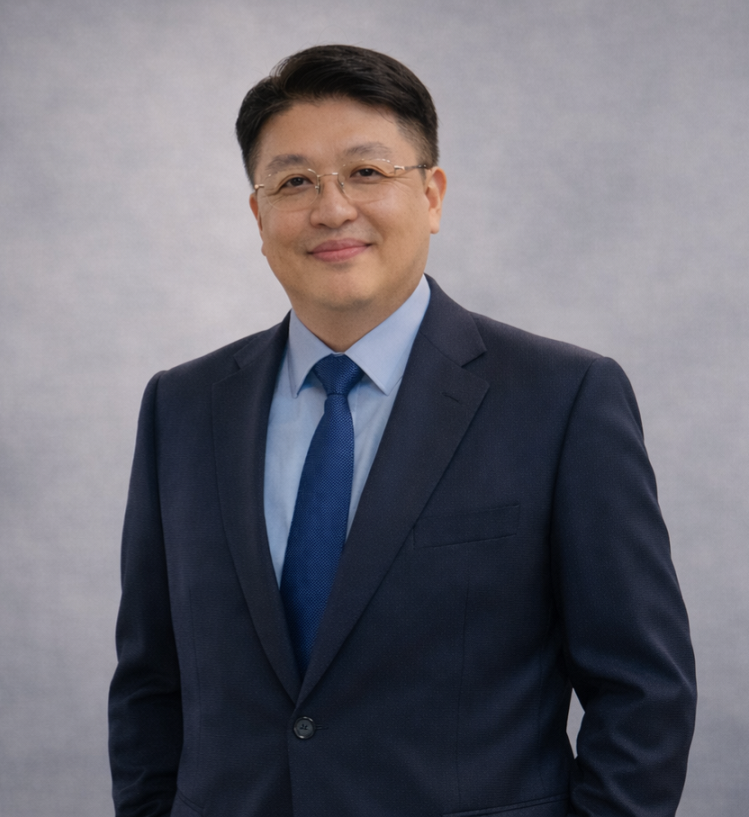
 |
| ▲ 서정선 칼럼니스트 |
1. 세계 질서는 지금 다시 흔들리고 있다
세계 질서는 지금 다시 흔들리고 있다. 국제 무역 질서와 안보 협력 구조, 그리고 글로벌 경제 체계는 새로운 긴장 속에 들어가고 있다. 미국의 보호무역 정책과 관세 조치, 중동 지역의 군사적 긴장, 그리고 주요 국가들 사이의 전략 경쟁은 국제 협력 체계를 점차 압박하고 있다. 세계 경제는 여전히 상호 의존 구조 위에서 움직이고 있지만 정치적 갈등과 지정학적 긴장은 그 구조를 지속적으로 흔들고 있다.
특히 도널드 트럼프의 정치적 등장 이후 세계 질서에 대한 논쟁은 더욱 분명해졌다. 자유무역과 다자 협력 중심으로 유지되어 온 기존 국제 질서는 새로운 정치적 도전 앞에서 다시 시험대에 올라 있다. 그러나 이런 질문이 제기된다. 이러한 국제 질서의 흔들림은 과연 새로운 현상일까. 역사를 돌아보면 인류 사회는 여러 차례 질서를 잃어버린 경험을 가지고 있다. 그리고 그때마다 사회는 혼란 속에서 새로운 질서를 만들어 왔다. 16세기와 17세기 유럽을 뒤흔든 종교전쟁은 그 대표적인 사례다. 종교 권력과 정치 권력이 충돌하며 유럽 사회 전체가 심각한 혼란에 빠졌다. 그러나 그 혼란 속에서 인류는 새로운 사회 질서의 원리를 찾아가기 시작했다.
그리고 그 중심에는 새로운 가치가 있었다.
2. 종교전쟁과 칼뱅이즘
종교전쟁 시기의 유럽은 단순한 종교 갈등의 시대가 아니었다. 그것은 기존 권력 질서가 무너지고 새로운 사회 질서가 형성되는 거대한 전환의 시기였다. 당시 중세 유럽 사회는 종교 권력과 정치 권력이 강하게 결합된 구조였다. 교회는 막대한 영향력을 가지고 있었고, 면죄부 판매와 같은 제도는 종교 권력의 타락을 상징적으로 보여주는 사건이었다. 이러한 상황 속에서 등장한 것이 종교개혁이었다.
마르틴 루터가 시작한 종교개혁은 단순한 종교 갈등이 아니었다. 당시 교황청이 판매한 면죄부는 신앙의 문제를 넘어 경제 권력의 문제로 인식되기 시작했다. 신앙이 금전과 교환되는 구조는 종교의 권위를 약화시켰고 결국 사회적 반발을 불러왔다. 종교개혁은 신학 논쟁이 아니라 권력과 질서의 재편이었다.그것은 권력과 질서에 대한 근본적인 질문이었다. 그리고 그 흐름 속에서 등장한 사상이 바로 칼뱅이즘이다. 칼뱅이즘은 단순한 신학 체계가 아니었다. 그것은 새로운 사회 윤리를 제시하는 사상이었다.
칼뱅이즘의 핵심 가치는 분명했다. 신 앞에서 인간은 평등하다. 노동은 신성하다. 절제와 책임은 사회 질서를 만든다. 이러한 윤리는 근대 시민사회의 중요한 토대가 되었다. 개인의 책임과 노동 윤리를 강조하는 칼뱅이즘은 이후 자본주의 경제 질서의 형성과도 깊은 관련을 가지게 된다. 역사가들은 종종 칼뱅이즘을 근대 사회 윤리의 출발점 가운데 하나로 평가한다. 사회 질서는 권력에 의해 유지되는 것이 아니라 가치와 규범에 의해 형성된다는 인식이 이 시기부터 점차 확산되었기 때문이다. 종교전쟁이라는 혼란 속에서 유럽은 결국 새로운 사회 질서를 만들어 냈다. 그리고 그 질서의 기반에는 인간의 책임과 공동체 윤리라는 새로운 가치가 자리 잡게 되었다.
3. 피히테와 사회적 공감의 힘
역사는 언제나 단순한 권력 경쟁만으로 움직이지 않는다. 사회가 위기 속에서 다시 일어나는 순간에는 언제나 공통된 요소가 존재한다. 그것은 사회 구성원들이 공유하는 가치와 공감의 힘이다. 독일 철학자 요한 고틀리프 피히테(Johann Gottlieb Fichte)는 나폴레옹 전쟁 이후 독일 사회가 분열과 패배 의식 속에 빠져 있을 때 “독일 민족에게 고함” ( Reden an die deutsche Nation, 독일 민족에 고함)”이라는 강연을 통해 이라는 강연을 통해 공동체 정신의 중요성을 강조했다. 그는 국가의 힘이 군사력이나 권력에서 나오는 것이 아니라 공동체가 공유하는 가치와 교육에서 나온다고 보았다.당시 독일은 정치적으로 분열되어 있었고 프랑스 군대의 점령 속에서 국가적 자존심마저 크게 흔들리고 있었다. 그러나 피히테는 독일 사회가 다시 일어설 수 있는 힘은 군사력이나 권력에 있는 것이 아니라 국민들이 공유하는 가치와 교육, 그리고 사회적 공감에 있다고 강조했다.
그의 메시지는 단순한 철학 강연이 아니었다. 그것은 공동체가 다시 자신을 회복하기 위한 정신적 선언이었다. 피히테는 국민이라는 공동체가 단순한 정치적 집단이 아니라 하나의 문화적 공동체이며, 그 공동체를 유지하는 힘은 공통된 가치와 규범이라고 설명했다. 결국 독일 사회는 이러한 정신적 토대를 바탕으로 이후 산업화와 국가 통합을 이루게 된다. 이 사례는 한 가지 중요한 사실을 보여준다. 사회 질서는 단순히 권력이나 경제력만으로 유지되지 않는다. 그것은 공동체가 공유하는 가치와 사회적 공감 위에서 유지된다.
4. 국제 질서와 공동 규범
이러한 원리는 국가 내부뿐 아니라 국제 사회에서도 동일하게 작동한다. 국제 질서는 단순히 군사력이나 경제력만으로 유지되지 않는다. 그것은 국가들이 공유하는 규범과 협력 체계 위에서 유지된다. 제2차 세계대전 이후 국제 사회는 무력 충돌의 반복을 막기 위해 새로운 질서를 설계했다. 그 결과 만들어진 것이 바로 국제연합(United Nations, 국제연합)이다. UN 헌장은 국가 간 분쟁을 무력으로 해결하는 것을 원칙적으로 금지하고 국제 협력과 공동 규범을 통해 세계 질서를 유지하려는 시도였다.국제연합 헌장은 전쟁을 방지하고 국제 평화를 유지하기 위한 공동 규범을 선언한 문서다. 국가들은 이 헌장을 통해 분쟁을 무력 대신 협상과 국제 법 체계를 통해 해결하려는 원칙에 합의했다.
또한 유니세프(UNICEF, 국제연합 아동기금)는 전쟁과 빈곤 속에서 가장 취약한 존재인 어린이들을 보호하기 위한 국제 협력 체계를 상징한다. 이러한 국제 기구들은 단순한 행정 조직이 아니다. 그것은 국제 사회가 공유하는 가치와 규범을 제도화한 장치다. 국제 질서는 결국 국가들 사이의 힘의 균형만으로 유지되는 것이 아니다. 그것은 공동의 가치와 규범이 존재할 때 비로소 안정적으로 작동할 수 있다. 오늘날 국제 질서는 다시 한 번 중요한 전환의 시기를 맞이하고 있다. 보호무역 정책의 확대, 관세 정책의 변화, 그리고 주요 국가들 사이의 전략 경쟁은 국제 협력 구조에 새로운 긴장을 만들어 내고 있다.
세계 경제는 여전히 깊게 연결되어 있지만 정치적 결정이 경제 구조에 직접적인 영향을 미치는 사례가 점점 늘어나고 있다. 이러한 변화는 국제 질서가 단순한 시장 질서가 아니라 정치와 경제가 결합된 복합적 구조임을 다시 보여준다. 그러나 역사적으로 볼 때 이러한 긴장은 새로운 현상이 아니다. 국제 질서는 언제나 갈등과 협력 사이에서 균형을 찾아가며 발전해 왔다. 중요한 것은 갈등 자체가 아니라 그 갈등을 어떻게 제도와 규범 속에서 관리하느냐이다. 오늘날 세계 질서는 다시 시험대에 올라 있다. 보호무역, 군사적 긴장, 자원 경쟁 등 다양한 갈등이 동시에 나타나고 있기 때문이다. 그러나 역사적으로 볼 때 질서는 항상 힘의 균형만으로 유지되지 않았다. 결국 새로운 질서는 사회적 합의와 공통의 규범이 형성될 때 안정될 수 있었다.
5. 세계 질서의 전환과 새로운 질문
오늘날 국제 사회가 직면한 문제 역시 이러한 질문과 연결된다. 세계 경제는 여전히 강하게 연결되어 있지만 정치적 갈등과 전략 경쟁은 국제 협력 체계를 점차 압박하고 있다. 보호무역 정책, 자원 경쟁, 지정학적 긴장은 국제 질서의 균형을 흔들고 있다. 그러나 역사는 우리에게 하나의 교훈을 보여준다. 사회는 언제나 혼란 속에서 새로운 질서를 만들어 왔다는 사실이다. 종교전쟁 이후 유럽은 새로운 사회 윤리를 만들었다. 나폴레옹 전쟁 이후 독일 사회는 공동체 정신을 통해 다시 일어섰다. 제2차 세계대전 이후 국제 사회는 국제 협력 체계를 구축했다. 인류는 언제나 위기 속에서 새로운 질서를 만들어 왔다.
6. 폐허에서 다시 일어난 나라, 한국
역사는 공동체의 가치와 사회적 공감이 얼마나 강한 힘을 가지는지를 여러 번 보여주었다. 한국의 현대사는 그 대표적인 사례 가운데 하나다. 한반도는 일제 강점기와 한국전쟁을 거치며 산업 기반이 거의 붕괴된 상태에 가까웠다. 한국 역시 전쟁 이후 폐허 속에서 출발했다. 그러나 공동체 정신과 사회적 협력이 결합되면서 빠른 경제 성장을 이룰 수 있었다. 특히 새마을운동은 단순한 경제 정책이 아니라 공동체 참여와 사회적 연대를 기반으로 한 국가 발전 모델이었다.
1950년대 한국의 1인당 국민소득은 세계 최빈국 수준이었다. 국가 기반 시설은 파괴되었고 산업 생산 능력 역시 매우 제한적이었다. 그러나 이후 한국 사회는 짧은 기간 동안 놀라운 경제 성장을 이루게 된다. 1960년대 이후 시작된 산업화 정책과 수출 중심 경제 전략은 한국 경제 구조를 빠르게 변화시켰다. 그 과정에서 등장한 사회적 운동 가운데 하나가 바로 새마을운동이다. 새마을운동은 단순한 농촌 개발 정책이 아니었다. 그것은 공동체 협력과 근면, 그리고 자조 정신을 강조하는 사회적 운동이었다. 당시 한국 사회가 보여준 집단적 노력은 경제 발전을 가능하게 한 중요한 요인이었다. 이 사례는 한 가지 중요한 사실을 보여준다. 국가의 발전은 단순히 자본이나 자원만으로 이루어지지 않는다. 그것은 사회 구성원들이 공유하는 가치와 공동체 정신, 그리고 미래에 대한 공감이 결합될 때 가능해진다.
7. 세계 질서는 다시 재편될 것이다
오늘날 국제 사회가 경험하고 있는 긴장은 새로운 질문을 던지고 있다. 세계 경제는 여전히 긴밀하게 연결되어 있지만 정치적 갈등과 전략 경쟁은 기존 질서의 안정성을 시험하고 있다. 보호무역 정책과 자원 경쟁, 그리고 군사적 긴장은 국제 협력 체계를 점차 압박하고 있다. 그러나 역사는 한 가지 사실을 반복해서 보여준다. 인류 사회는 언제나 혼란 속에서 새로운 질서를 만들어 왔다는 것이다. 종교전쟁 이후 유럽 사회는 새로운 윤리와 사회 질서를 만들었다. 나폴레옹 전쟁 이후 독일 사회는 공동체 정신을 통해 다시 일어섰다. 제2차 세계대전 이후 국제 사회는 국제 협력 체계를 구축했다. 위기는 언제나 새로운 질서를 만들어 내는 계기가 되어 왔다. 오늘날 세계 질서 역시 이러한 전환의 과정 속에 있을 가능성이 크다. 국제 사회는 갈등과 경쟁 속에서도 협력과 공존의 새로운 원리를 찾아야 한다. 그것은 단순한 힘의 균형이 아니라 공동의 규범과 가치 위에서만 가능하다.
글을 마치며
질서와 안녕은 언제나 사회적 약속 위에서 유지된다. 법이 존재하기 이전에도 인간 사회에는 규범이 존재했다. 공동체는 서로에 대한 신뢰와 약속을 통해 질서를 유지해 왔다. 이러한 원리는 국가 내부뿐 아니라 국제 사회에서도 동일하게 적용된다. 국제 질서는 단순한 힘의 경쟁만으로 유지될 수 없다. 그것은 국가들이 공유하는 규범과 가치, 그리고 협력 체계 위에서 유지된다. 세계는 지금 다시 하나의 전환점 위에 서 있다. 그러나 역사는 우리에게 중요한 교훈을 남긴다. 사회는 언제나 혼란 속에서도 새로운 질서를 만들어 왔다는 사실이다. 그리고 그 질서는 언제나 인간의 공동체 정신과 공감, 그리고 협력의 가치 위에서 형성되어 왔다.
세계 질서는 언제나 변해 왔다. 그러나 그 변화의 과정에서 반복적으로 확인되는 사실이 있다. 힘은 질서를 만들 수 있지만 그 질서를 오래 유지하는 것은 공동의 가치와 규범이다. 사회적 공감이 없는 권력은 일시적일 수 있지만 지속적인 질서를 만들 수는 없다. 세계 질서 역시 결국 이러한 원리를 통해 다시 재편될 것이다. 질서는 권력에서 시작될 수 있지만 지속되는 질서는 공감과 규범에서 완성된다
English Version
Seo Jung-sun‘s Economic Prism Column Title
How the Global Order Will Be Rebuilt After the Middle East War Subtitle
From the Reformation to the United Nations: The History of Humanity Reorganizing Order
1. The Global Order Is Shaking Once Again
The global order is shaking once again.
The international trade system, security cooperation structures, and the global economic framework are entering a new phase of tension.
Protectionist policies and tariff measures from the United States, military tensions in the Middle East, and strategic competition among major powers are gradually putting pressure on the system of international cooperation.
The global economy still operates on a structure of interdependence, but political conflicts and geopolitical tensions are continuously destabilizing that structure.
In particular, since the political emergence of Donald Trump, debates surrounding the global order have become more explicit.
The existing international order—maintained through free trade and multilateral cooperation—has once again been placed on trial in the face of new political challenges.
Yet an important question arises.
Is this instability in the international order truly something new?
Looking back through history, humanity has repeatedly experienced periods in which order collapsed.
And each time, societies created a new order out of chaos.
The religious wars that shook Europe during the sixteenth and seventeenth centuries are a representative example.
Religious authority and political power collided, plunging European society into deep turmoil.
Yet within that chaos, humanity began searching for new principles upon which social order could be rebuilt.
And at the center of that search stood a new set of values.
2. Religious Wars and Calvinism
The era of religious wars in Europe was not merely a period of religious conflict.
It was a major historical turning point in which an existing order of power collapsed and a new social structure began to emerge.
Medieval European society had been characterized by a strong fusion between religious authority and political authority.
The Church possessed immense influence, and practices such as the sale of indulgences symbolized the corruption of religious power.
In this environment, the Reformation emerged.
The Reformation initiated by Martin Luther was not simply a religious dispute.
The indulgences sold by the papacy began to be seen not merely as matters of faith but as instruments of economic power.
A system in which faith could be exchanged for money weakened the authority of religion and eventually provoked social resistance.
The Reformation therefore was not simply a theological debate—it was a restructuring of power and order.
It raised a fundamental question about authority and legitimacy.
Within this historical flow emerged the ideology known as Calvinism.
Calvinism was not merely a theological system.
It represented a new ethical framework for society.
The core principles of Calvinism were clear.
Human beings are equal before God.
Labor is sacred.
Discipline and responsibility create social order.
These ethical ideas later became an important foundation of modern civil society.
Calvinism, which emphasized personal responsibility and the moral dignity of labor, would later be closely associated with the development of capitalist economic order.
Historians often regard Calvinism as one of the starting points of modern social ethics.
The idea that social order should be sustained not by power alone but by shared values and norms gradually spread during this period.
Out of the chaos of religious wars, Europe ultimately constructed a new social order.
And at the foundation of that order stood a new value system built upon responsibility and communal ethics.
3. Fichte and the Power of Social Empathy
History does not move forward through power struggles alone.
Whenever a society rises again from crisis, a common element can always be found:
The shared values and empathy among the members of that society.
The German philosopher Johann Gottlieb Fichte delivered his famous lectures “Addresses to the German Nation” (Reden an die deutsche Nation) after the Napoleonic wars, when German society was suffering from division and national humiliation.
Fichte argued that the strength of a nation does not originate from military force or political power alone.
Instead, it arises from the values and education shared by the community.
At that time Germany was politically fragmented and under French occupation.
National pride had been deeply shaken.
Yet Fichte insisted that the true strength of German society would not come from power or military strength but from the shared values, education, and collective consciousness of its people.
His message was not simply a philosophical lecture.
It was a declaration intended to restore the spiritual foundation of a society seeking renewal.
Fichte described the nation not merely as a political entity but as a cultural community.
And the force that sustains such a community, he argued, lies in shared values and norms.
Ultimately German society would later achieve industrial development and national unification upon this spiritual foundation.
This historical example reveals an important truth.
Social order cannot be sustained merely by power or economic strength.
It endures through shared values and collective empathy within a community.
4. International Order and Shared Norms
This principle applies not only within nations but also in the international community.
International order cannot be sustained solely by military power or economic influence.
It rests upon shared norms and cooperative institutions among states.
After the Second World War, the international community attempted to design a new system to prevent the repetition of large-scale armed conflicts.
The result was the creation of the United Nations (UN).
The UN Charter declared that disputes between states should not be resolved through force but through international cooperation and legal frameworks.
It was an attempt to preserve global order through shared norms and institutional cooperation.
The United Nations Children‘s Fund (UNICEF) likewise symbolizes international collaboration aimed at protecting the most vulnerable victims of war and poverty—children.
Such international organizations are not merely administrative institutions.
They represent the institutionalization of shared values and norms within the global community.
International order therefore is not maintained solely by a balance of power among states.
It functions sustainably only when common values and norms exist.
Today the global order is once again entering a period of significant transition.
The expansion of protectionist policies, changing tariff regimes, and strategic competition among major powers are generating new tensions within the framework of international cooperation.
The global economy remains deeply interconnected, yet political decisions are increasingly exerting direct influence on economic structures.
This development reminds us that international order is not simply a market system but a complex structure in which politics and economics are deeply intertwined.
However, from a historical perspective such tensions are not new.
International order has always evolved through a dynamic balance between conflict and cooperation.
What ultimately matters is not the existence of conflict itself, but how that conflict is managed within institutions and shared rules.
5. A Turning Point in Global Order
The challenges facing the international community today raise fundamental questions.
The world economy remains strongly interconnected, yet political conflicts and strategic rivalries continue to place pressure on international cooperation.
Protectionism, resource competition, and geopolitical tensions are destabilizing the balance of global order.
Yet history provides a clear lesson.
Societies have always created new orders out of periods of crisis.
After the religious wars, Europe developed new ethical foundations.
After the Napoleonic wars, German society rose again through a renewed sense of communal identity.
After the Second World War, the international community built new cooperative institutions.
Humanity has repeatedly constructed new orders in the aftermath of crisis.
6. Korea: A Nation Rebuilt from Ruins
History has repeatedly shown how powerful shared values and social empathy can be.
Modern Korean history provides a striking example.
The Korean Peninsula experienced colonial rule under Japanese occupation and the devastation of the Korean War.
Much of its industrial base was destroyed.
Yet Korea began its recovery from these ruins.
Through a combination of collective spirit and social cooperation, the country achieved rapid economic growth.
In particular, the Saemaul Movement represented more than an economic development policy.
It was a social movement rooted in community participation, cooperation, and solidarity.
In the 1950s, Korea‘s per capita income ranked among the lowest in the world.
Infrastructure had been destroyed, and industrial capacity was extremely limited.
Yet within a few decades the country achieved remarkable economic transformation.
Industrialization policies beginning in the 1960s and an export-oriented development strategy rapidly reshaped the structure of the Korean economy.
Among the social movements that emerged during this period, the Saemaul Movement became especially significant.
It emphasized cooperation, diligence, and self-reliance within local communities.
The collective efforts of Korean society played a crucial role in enabling national development.
This experience illustrates an important truth.
National development cannot be achieved through capital and resources alone.
It becomes possible when shared values, community spirit, and a collective vision of the future converge.
7. Global Order Will Be Reshaped Again
The tensions currently unfolding in the international community raise new questions.
The global economy remains deeply interconnected, yet political conflicts and strategic competition are testing the stability of the existing order.
Protectionist policies, resource competition, and military tensions are placing increasing pressure on international cooperation.
Yet history repeatedly demonstrates one fundamental fact.
Human societies have always created new orders in the midst of chaos.
After the religious wars, Europe developed a new social ethic.
After the Napoleonic wars, Germany recovered through communal identity.
After the Second World War, the international community established systems of international cooperation.
Crises have often served as catalysts for new orders.
Today‘s global system is likely undergoing a similar transformation.
The international community must search for new principles of coexistence and cooperation even amid conflict and competition.
Such a system cannot be sustained merely by a balance of power.
It can endure only through shared norms and common values.
Conclusion
Order and stability are sustained through social agreements.
Even before formal laws existed, human societies maintained order through norms and mutual trust.
This principle applies not only within nations but also within the international community.
International order cannot be maintained through competition for power alone.
It requires shared norms, common values, and cooperative institutions.
The world once again stands at a turning point.
Yet history teaches an important lesson.
Societies have always constructed new orders even in times of chaos.
And those orders have always been built upon shared values, empathy, and cooperation among people.
Global order has always changed.
But one truth repeatedly emerges throughout its evolution.
Power can create order.
But what sustains that order over time is shared values and common norms.
Power without social empathy may create temporary authority, but it cannot sustain lasting order.
The global order will ultimately be reshaped according to this principle.
Order may begin with power,
But enduring order is completed through empathy and shared norms.
일요주간 / 서정선 칼럼니스트 jacobxu0304@gmail.com
[필자 주요약력]
現 INTERPRO H.K PEF 대표
現 일요주간 부회장
前 Proton International LLC (H.K) 법인장
前 Proton Asia PEF GP
前 Proton Asia PEF
아시아 국제 금융 법률,회계 전문위원
前 화중 테크 대표이사
前 화중아이앤씨 대표이사
前 중국 대련보세구 정부 위촉 외자유치 및 투자 구조 자문 대표
前 중국 천진 한화종합유한공사법인장
前 중국 주재원
'시민과 공감하는 언론 일요주간에 제보하시면 뉴스가 됩니다'
▷ [전화] 02–862-1888
▷ [메일] ilyoweekly@daum.net
[ⓒ 일요주간. 무단전재-재배포 금지]